In a nutshell
- 🧠 Memory anchoring ties knowledge to specific locations, leveraging context-dependent recall so ideas resurface vividly, especially after sleep.
- 🧬 In the brain, hippocampal place cells map space while slow‑wave sleep replays compress experiences, stabilising details and linking them to cues.
- 🗺️ Practical anchors include fixed spots, object cues, route markers, and scents; keep pairings consistent to prevent interference and strengthen retrieval.
- 🌙 Gentle targeted memory reactivation (matched scents/sounds) plus solid sleep hygiene turns cues into an overnight accelerator of recall and insight.
- 🧭 Design a personal memory map: assign one place, one purpose, rehearse briefly, use geofenced prompts, and review anchors weekly to keep the system sharp.
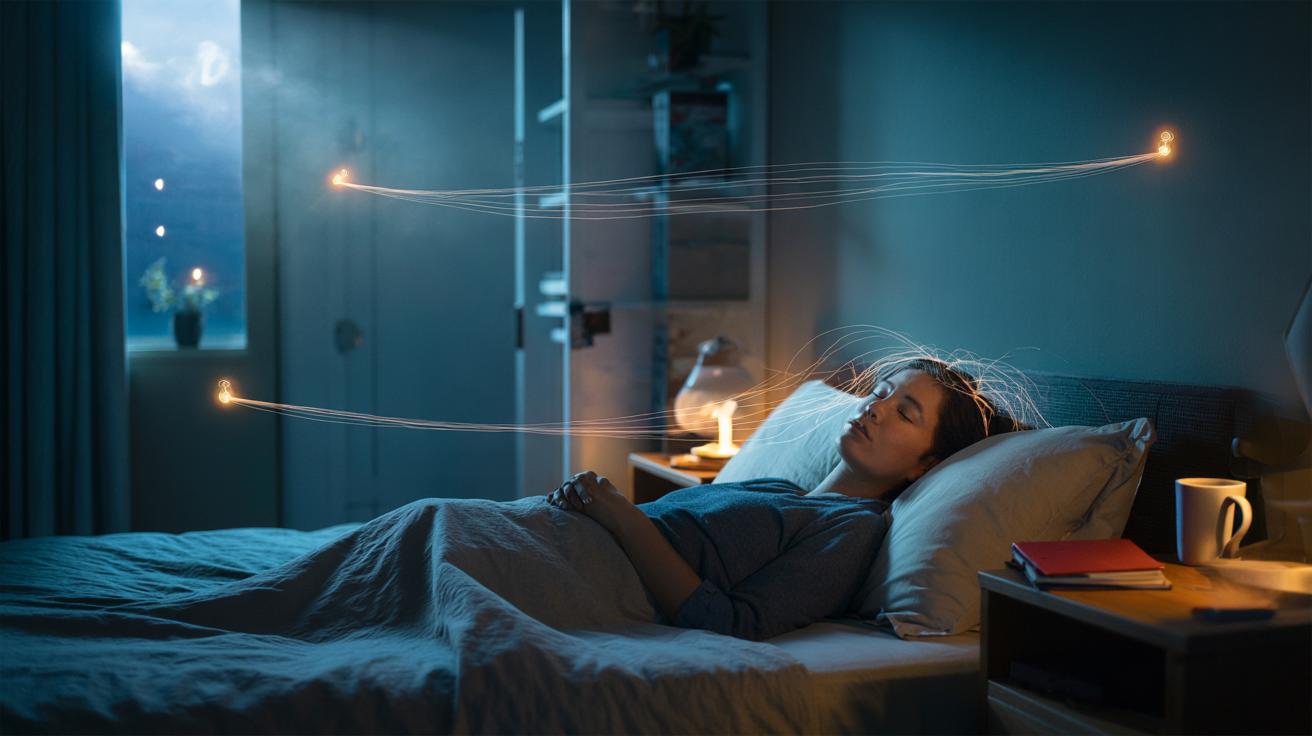
When ideas refuse to stick, the fault often lies not in the facts but in the context surrounding them. Enter memory anchoring: the practice of tying knowledge to locations, objects, and routes so the brain knows where to find it later. It sounds quaint, like Roman orators pacing courtyards, yet today’s neuroscience gives it muscle. Place is a powerful handle on recall. Overnight, those handles seem to tighten. As we sleep, the brain replays where we learned what, and why it mattered, stitching scenes to thoughts. The result the next morning can be startling—vivid thinking, sharper recall, and insights that feel earned rather than accidental.
The Science Behind Memory Anchoring
Our sense of place is not decorative; it is structural. In the hippocampus, place cells fire in patterns that map environments, while nearby networks index events that occur within them. This pairing underwrites context-dependent recall: we remember better when surroundings at retrieval echo those at learning. At night, during slow-wave sleep, the brain compresses recent experiences into brief replays. Those sequences often include spatial frames, allowing locations to serve as cues that reawaken associated concepts. Sleep is not passive; it is an active editor of what stays and where it is stored.
There is also a pragmatic layer. The so-called “method of loci”—turning rooms into a scaffold of ideas—leverages the same circuitry modern labs see when rodents and humans navigate. Add targeted memory reactivation by linking material to distinct scents or gentle sounds and the effect deepens: present the cue in sleep and the tied content replays more readily. The headline is clear. Locations become tags. Tags become shortcuts. By morning, recall feels native, not forced.
From Bedrooms to Boardrooms: Everyday Cues That Work
You do not need a marble atrium to anchor memory. A desk corner, a stairwell, the walk from kettle to garden—each can be a reliable cue. Assign one topic to one spot, then rehearse it only there. Keep a distinctive object—say a red notebook—for one project and never mix its use. Make the office door the place where you mentally “file” your numbers; use the train platform to review names before a meeting. The brain loves consistency. Small, repeatable signals turn places into dependable prompts.
| Cue Type | Where It Works | What It Aids | Simple Habit |
|---|---|---|---|
| Fixed Spot | Desk, window seat | Formulae, quotes | Study only in that spot |
| Object Anchor | Notebook, mug | Projects, story arcs | One object, one theme |
| Route Marker | Corridor, commute | Sequences, procedures | Attach steps to landmarks |
| Scent Cue | Bedside, study | Overnight replay | Same mild scent at both |
Keep cues crisp. Rotate rooms for different domains to avoid interference. And if you travel, recreate a miniature anchor—a folded map, a screensaver, a pocket-sized token—to maintain continuity when the scenery shifts.
Night Shift of the Brain: How Sleep Replays Place and Detail
At night, memory does its heavy lifting. During slow-wave sleep, hippocampal networks replay compressed snapshots of the day that often include where you were and what you were doing. Those replays interact with cortical areas to stabilise the gist and, if conditions are right, the useful detail. Later, in REM, emotional tone and associations get a remix. Anchor ideas to places before lights-out and you prime this assembly line: space cues the sequence; sequence restores the content. Many people recognise the effect as the “shower insight” on waking. It isn’t magic. It is replay meeting context.
Gentle prompts help. A faint lavender scent present when studying and again in the bedroom can bias reactivation without disturbing rest. The same can be done with a soft, non-lyrical sound played at low volume. Crucially, protect sleep quality. Dim screens, regular bedtimes, cool rooms. When sleep is safeguarded, anchoring becomes an overnight accelerator rather than noise. Keep a pen by the bed to capture flashes within two minutes of waking; retrieval strengthens the anchor and prevents loss to the morning rush.
Designing Your Personal Memory Map
Start small. Choose three locations you visit daily and assign each a domain: research, strategy, and people. In each spot, place one distinctive item to act as a visual key. Do a two-minute rehearsal in its spot, then stop; do not dilute the pairing elsewhere. Before bed, review one anchor per night and ask a specific question you want answered in the morning. Brief, focused priming beats cramming. Try: “What’s the cleanest headline for the Q2 story?” or “Which mechanism explains the anomaly?”
Layer routes for sequences: attach step one to the hallway picture, step two to the coat rack, step three to the front door. Use a simple digital nudge—geofenced notes that pop up when you enter a site—to reconnect you to the right anchor on busy days. Every Sunday, audit the map: retire cluttered anchors, refresh stale objects, and keep the palette sparse. The guiding rule is elegant: one place, one purpose, one promise to recall. That restraint is what turns a home or office into a living index.
We underestimate how fiercely our minds bind ideas to environments, and how sleep cements those bonds. Location-based cues give thinking a scaffold; overnight consolidation supplies the rivets. Done well, memory anchoring reduces effort while improving texture—facts feel situated, not floating, and insights arrive with a welcome sense of inevitability. Begin with a corner, a cup, a corridor. Let the night do its work. Then test the results at pace the next day. Which places in your world are ready to become hardworking anchors for the thinking you most want to keep?
Did you like it?4.5/5 (21)