In a nutshell
- 🍵 A used teabag offers quick relief for wilted houseplants by supplying gentle tannins that slightly acidify soil, chelate micronutrients (notably iron), and kick‑start beneficial microbes.
- 🧪 Expect changes fast: improved leaf turgor in hours and reduced chlorosis within 48–72 hours as pH nudges unlock nutrients; it’s a conditioner, not a miracle grower, and adds minimal NPK.
- 🛠️ Safe methods: make diluted tea water (1 used bag per 1 L, then 1:3 dilution) for a quick tonic, or top‑dress with a teaspoon of spent leaves per small pot; avoid burying whole bags and flavoured teas.
- ⚠️ Risks and limits: over‑acidification, mould or gnat issues from thick layers, and potential caffeine sensitivity; unsuitable for cacti/succulents and already acidic mixes—use sparingly and observe.
- 🌿 Best use cases: plants preferring slightly acidic conditions (calatheas, aroids) or hard‑water households; pair with a balanced feed and treat tea as a subtle tune‑up, not a complete fertiliser.
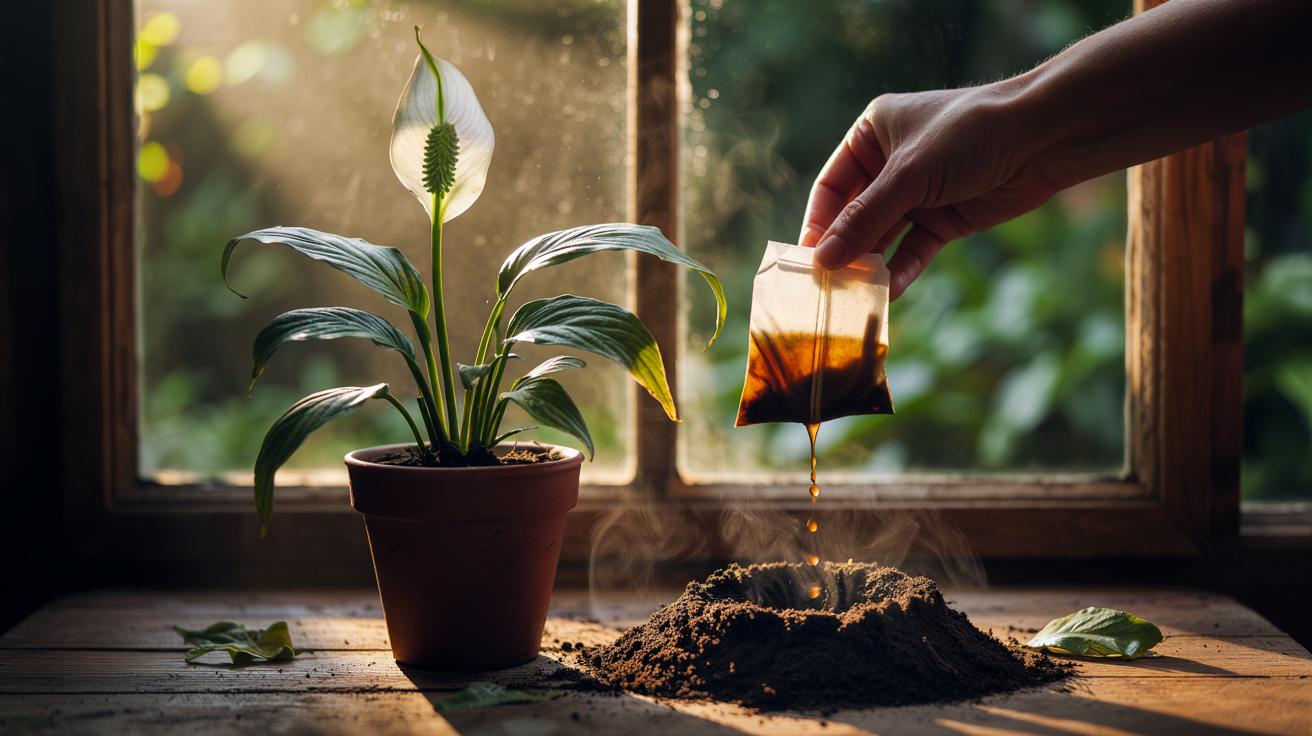
There’s a tidy, tea-stained secret doing the rounds on British windowsills: the humble used teabag. Gardeners swear it perks up droopy philodendrons and tired peace lilies. Not magic. Chemistry. The brew’s leftover tannins and polyphenols can subtly shift soil conditions, freeing nutrients plants struggle to access during a slump. Add a splash of moisture and a nudge to the soil’s microbial life and you’ve got a quick pick‑me‑up. The trick is knowing how much, how often, and when to stop. Handled well, a used teabag can revive wilted houseplants startlingly fast, without buying another bottle of feed.
How Tannins Work in Potting Soil
Think of tannins as plant‑made bouncers: polyphenolic compounds that bind proteins and form gentle chelates with metals like iron and manganese. In pots, this matters. Slight acidification of the root zone helps unlock micronutrients that were present but out of reach, especially iron, which is crucial for chlorophyll. Used tea can nudge the rhizosphere toward the slightly acidic conditions many houseplants prefer, improving uptake almost immediately after watering.
Speed is the surprise. While a teabag won’t replace a full fertiliser, it can change the soil micro‑environment in hours. The result is not a sudden surge in growth, but a rapid reduction in stress signals: less droop, better leaf tension, and, after a day or two, a healthier hue. The soil microbiome also responds. Polyphenols feed beneficial microbes, which in turn mineralise locked nutrients into plant‑available forms.
There’s nuance. Succulents and cacti, adapted to lean, alkaline substrates, gain little from added acidity. Likewise, over‑brewed tea can push pH too low in small pots. The aim is a gentle tweak. Applied sparingly, tannins help plants struggling from chlorosis, hard‑water residue, or recent repot shock. Overdo it and the benefit fades.
Safe Ways To Use a Used Teabag
Rule one: cool and clean. Let the teabag cool, snip away any staples and strings, and check the bag material; many are plastic‑fibre blends. If in doubt, open the bag and use only the spent leaves. Never bury a whole wet teabag in a small pot; it compacts, rots, and invites fungus gnats. Aim for a light touch that conditions the mix without clogging drainage.
Two easy methods stand out. For a quick tonic, make “tea water”: steep one used bag in 1 litre of warm water for 5–10 minutes, cool, then dilute 1:3 and water normally. For a slower release, open the bag and scatter a teaspoon of spent leaves as a thin top‑dress across the compost, then water in. Repeat every 3–4 weeks during active growth, less in winter.
| Method | Ratio/Amount | Best For | Watch Out For |
|---|---|---|---|
| Tea water (tonic) | 1 used bag per 1 L, then dilute 1:3 | Fast relief from wilt and minor chlorosis | Overwatering; don’t drench compacted mixes |
| Top‑dress (spent leaves) | 1 tsp per 12–15 cm pot | Steady pH nudge and microbe boost | Gnat risk if layered thickly |
| Compost blend | Up to 10% by volume | Refreshing tired potting soil | Drainage loss in succulent mixes |
Stick to plain black or green tea. Avoid flavoured blends with oils, sugary chai, or heavily scented herbal bags, which can introduce residues. If your tap water is very hard, tea water is a simple, low‑cost counterbalance that complements routine feeding.
What Changes You Can Expect, and When
Start with the headline: “in no time” means hours to days, not minutes. After a tannin tonic, the first win is often physical. Water restores turgor, so flagging leaves lift within hours. The chemistry follows close behind: a slight pH shift and gentle chelation can brighten chlorotic foliage within 48–72 hours as iron moves where it’s needed for chlorophyll synthesis. You’ll notice a cleaner, richer green rather than a dramatic flush of new growth.
Over a week or two, the microbial uptick tends to soften that stubborn, tired compost feel. Roots probe more readily when oxygen and moisture balance improve. Expect steadier transpiration, fewer crispy tips (if salt stress was the culprit), and calmer watering cycles. Used tea does not add significant NPK, so pair it with a balanced, low‑salt houseplant feed according to the label if growth is your aim.
Temper expectations by plant type and season. Calatheas, marantas, and many aroids appreciate the softer, slightly acidic nudge; jade plants and echeverias don’t. Winter applications act slowly; growth is dialled down. In spring, results are sharper, especially after a repot when microbes are rebuilding. A simple rule: if the plant perks up, pause and observe before the next dose.
Risks, Myths, and Sensible Limits
Let’s debunk a few kitchen‑sink myths. Used tea is not a complete fertiliser. Its polyphenols and traces of minerals support availability, but they don’t replace a balanced feed with nitrogen, phosphorus, and potassium. Nor is tea a cure‑all for pest issues; it won’t evict spider mites or mealybugs. What it can do is create friendlier soil chemistry that reduces stress, making plants less susceptible to secondary problems.
Risks? A handful. Some teas contain caffeine, which can inhibit seedling growth in high doses; used bags are mild, but moderation matters. Flavoured teas may include essential oils that stress roots. Thick layers of spent leaves invite mould and gnats. If your water is already soft and your mix slightly acidic, repeated tea applications can push pH too low, leading to nutrient imbalances that mimic deficiency.
Practise limits. Use sparingly, observe, adjust. Rinse leaves if you detect a sour odour, and aerate compacted compost with a chopstick before watering to improve flow. For cacti and succulents, skip the tea and focus on gritty mixes and longer dry periods. For leafy tropicals, the teabag trick is a gentle, sustainable aid—best seen as a tune‑up, not a turbo boost.
Used teabags earn their keep when you treat them like a subtle tool, not a silver bullet. Their tannins condition potting mixes, unlock micronutrients, and pep up the microbial backstage that keeps roots humming. Apply lightly, watch closely, and match the method to the plant in front of you. That way, the promise of “revival” feels real, not viral. Ready to experiment on one tired houseplant this week—and note, with a reporter’s eye, exactly how it responds?
Did you like it?4.6/5 (27)