In a nutshell
- 📚 Mustiness arises from aging paper VOCs and damp-fuelled microbes; stabilise the environment first: keep relative humidity 40–55%, improve airflow, and tackle dust to reduce musty odours.
- 🌙 A single dryer sheet works overnight via fragrance molecules and optional cyclodextrins, shifting the headspace through diffusion to neutralise or mask smells—without direct contact with pages.
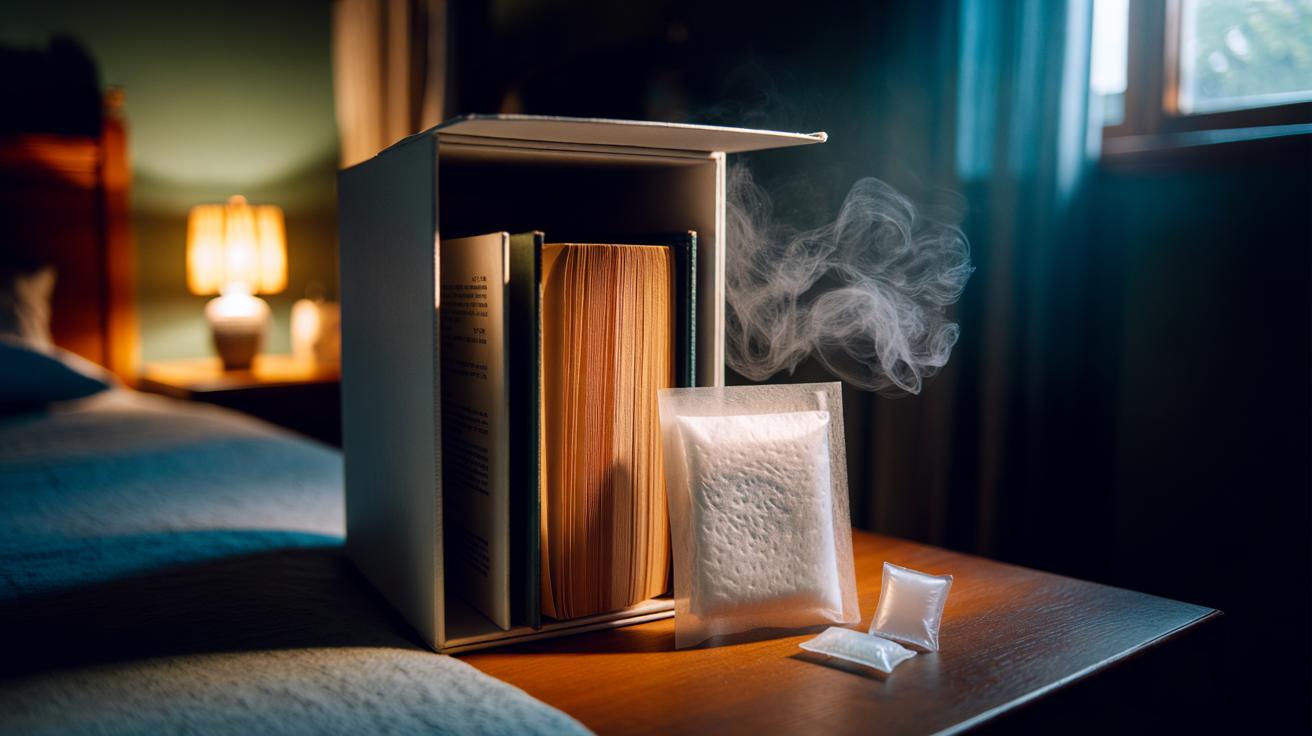
- 🧰 Setup: ensure the book is dry, wrap in acid-free tissue, place the sheet in a separate paper pouch, contain both in a breathable box, add silica gel, leave 8–12 hours, then air the book briefly.
- 🛡️ For archival or rare items, skip perfumed products; choose activated charcoal, zeolite, or MicroChamber paper for low-risk odour absorption and reversibility.
- 🧪 Decision guide: fragranced sheets act fast but may only mask; absorbers take longer yet truly reduce volatiles—so test on a paperback, log brand/time/results, and repeat only if needed.
Musty books are a heartbreak. They whisper of damp lofts, leaky cellars, and hurried clear-outs. Yet there’s a surprisingly simple overnight rescue that costs pennies: a single dryer sheet. This isn’t magic. It’s chemistry, diffusion, and a bit of household cunning. While you sleep, fragrance molecules migrate, interact with airborne malodours, and soften the stale edge that makes your shelves smell like a closed charity shop. The trick lies in containing the scent without suffocating the paper. Do it properly and you’ll wake to pages that smell fresher, gentler, and more readable. Done badly, you risk residue, over-perfuming, or trapped moisture. Here’s how to get it right.
Why Books Smell Musty in the First Place
Old paper isn’t inert. It breathes, absorbs, and releases chemicals as it ages. Lignin and cellulose break down, releasing volatile organic compounds like aldehydes and acids that produce the “old book” scent we secretly love—until damp arrives. Add moisture and microbes bloom. Moulds and bacteria exhale a distinct musty odour, the same earthy note you catch in a long-shut shed. Humidity is the accelerant; dust is the fuel. Poor ventilation lets these volatiles accumulate, and fibres in cloth covers or endpapers soak them up like a sponge.
Address the moisture first, or any deodorising is only a pause button. Aim for relative humidity around 40–55% and steady room temperatures. Keep books off exterior walls and away from radiators. A gentle fan or cracked window helps the vapours disperse. Once the environment is stable, a fragrance-based intervention can coax odours into retreat. Remember: deodorising is not disinfecting. Visible mould requires isolation, careful dry cleaning with a HEPA vacuum or soot sponge, and sometimes specialist conservation. For ordinary “musty-but-dry” copies, though, a targeted overnight treatment works a quiet charm.
How a Dryer Sheet Works While You Sleep
Most consumer dryer sheets are a web of fibres coated with softening agents, surfactants, and perfume oils. In a confined space, those fragrance molecules slowly volatilise, dispersing into the air and interacting with malodours that linger in and around paper fibres. Some sheets incorporate cyclodextrins, doughnut-shaped molecules that can trap odour compounds in their cavities, reducing what your nose detects. Others largely mask smells, but even masking can feel like a reset when the “damp” note is the dominant offender.
Diffusion does the heavy lifting. Close a book in a modestly scented micro-environment and, over several hours, the headspace shifts. The stale aroma dilutes; pleasant notes rise. Never place the dryer sheet directly against pages or cloth—it can transfer waxy residues. Paper loves to keep what it touches. Residual softeners may attract dust or, in worst cases, leave translucent marks. That’s why the right setup matters: a breathable barrier, a neutral container, and enough distance for scent to mediate the air rather than smear the book. Overnight is typically sufficient; delicate cases may need a second round.
Step-By-Step: The Overnight Deodorising Setup
Start with a dry book. If it feels cool and clammy, acclimatise it in a stable room for a day. Brush off dust at the fore edge with a clean, soft brush. Slip the book into a large paper envelope or wrap it loosely in acid-free tissue. Place one dryer sheet in a separate small paper pouch or another envelope—never naked against the cover. Set both inside a clean plastic box with the lid resting on top but not clicked shut, or in a lidded cardboard archive box. You want a contained but breathable headspace.
Add a small silica gel sachet if you have one; dryness sharpens fragrance diffusion and inhibits microbial life. Leave the setup overnight, ideally 8–12 hours. In the morning, remove the dryer sheet and let the book air for 30 minutes. If the perfume smells too assertive, a short airing near (not on) an open window will rebalance it. Tough cases: repeat once. If the odour persists after two cycles, switch tactics—odour absorption rather than fragrance may be wiser. And if you spot mould, stop and consider professional advice before continuing.
Safety, Sustainability, and Alternatives
Not all books should meet a dryer sheet. For rare, valuable, or archival items, perfumed softeners and quaternary ammonium compounds are unwelcome guests. They can leave residues and complicate future conservation. In such cases, choose inert absorbers: activated charcoal, zeolite, or specialised MicroChamber paper. Sustainability matters too. Some dryer sheets shed microfibres and rely on petrochemical fragrances. Look for low-residue, odour-neutralising variants or fragrance-free sheets with cyclodextrins if you want minimal scent but active neutralisation. Whatever you choose, keep the treatment reversible and gentle.
Here’s a quick comparison to guide decisions at the shelf:
| Method | Time | Effect | Risk to Paper |
|---|---|---|---|
| Dryer sheet (fragranced) | 8–12 hours | Masks; may partially neutralise | Low–moderate (residue if contact) |
| Dryer sheet (cyclodextrin, low scent) | 8–24 hours | Neutralises selected odours | Low (avoid direct contact) |
| Activated charcoal sachet | 24–72 hours | Absorbs malodours | Very low (contain dust) |
| Bicarbonate of soda (sealed nearby) | 24–72 hours | Absorbs acidic smells | Low (never spill on book) |
| MicroChamber paper | Days–weeks | Traps acids/VOCs | Very low (archival-safe) |
Whichever route you take, test on a single paperback before treating prized hardbacks. Keep records. Note the sheet brand, time, and result. Gentle, reversible, and dry should be your mantra.
Used thoughtfully, a single dryer sheet can turn a stale shelf into a welcoming library by morning. It’s quick, discreet, and kind to time-poor readers who still care how their books smell. The secret is respect for the paper: no direct contact, controlled headspace, and a light hand with perfume. And don’t forget the basics—good ventilation and stable humidity keep mustiness from creeping back. Ready to reclaim your reading nook tonight, or will you experiment with absorbers and see which treatment your collection prefers?
Did you like it?4.6/5 (30)