In a nutshell
- 🌹 Potassium (K) supercharges roses by improving stomatal control, carbohydrate transport, and disease tolerance, translating into fuller blooms, stronger stems, and richer colour.
- 🍌 Apply banana peels via composted peels, dried peel flakes, or short-brew peel tea; avoid burying whole fresh peels to deter pests and odour.
- ⏱️ Timing and safety: feed in early spring and through bloom cycles, then ease off 6–8 weeks before frost; adjust frequency to soil type, use half-rates in containers, and mulch to mask scent.
- 🔬 Myth-busting: peels don’t change pH or repel aphids; for fast, predictable gains pair them with sulphate of potash or a balanced rose fertiliser—peels are a supplement, not a standalone fix.
- 📈 Practical plan: watch for K deficiency (scorched margins, weak stems), run a soil test, water in applications, and track results—expect steadier growth and more abundant buds.
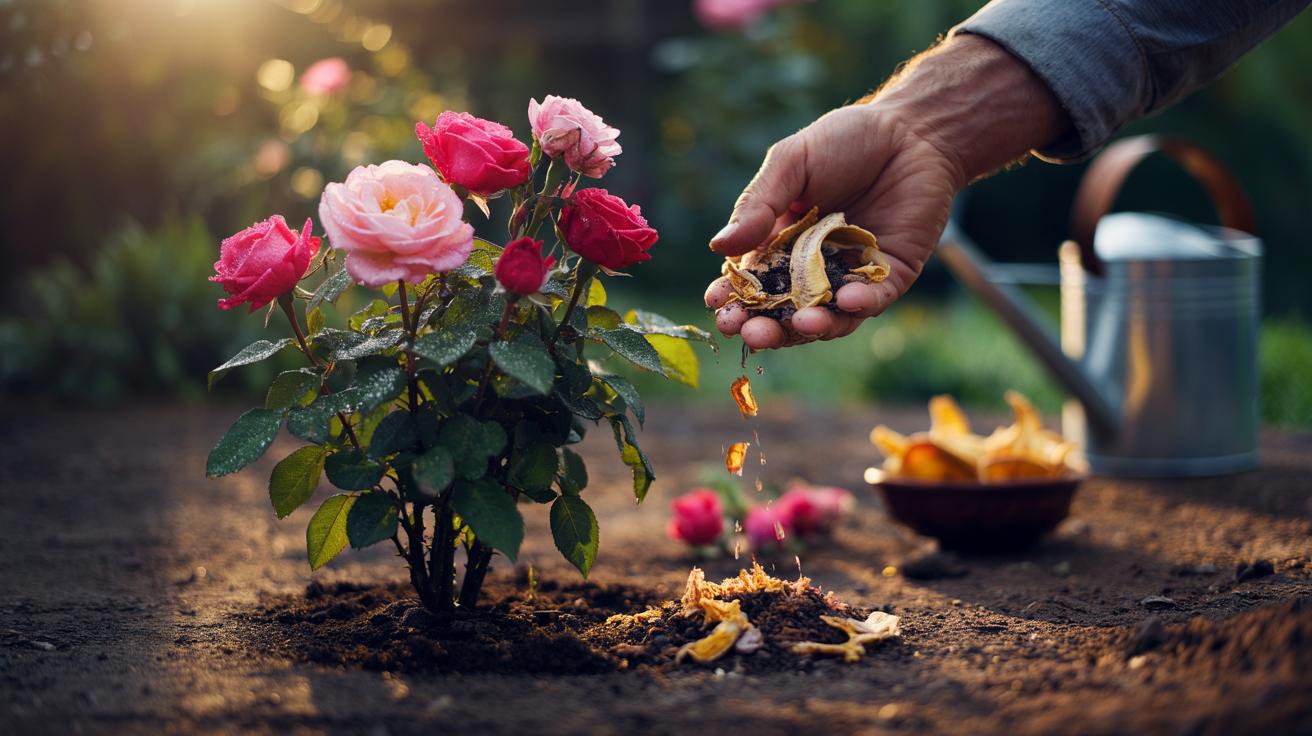
Roses can feel intimidating. Pruning, pests, unpredictable British weather. Yet one humble kitchen leftover often sparks spectacular results: the banana peel. Packed with potassium and useful micronutrients, peels support vigorous canes, punchy colours, and abundant buds. This isn’t wizardry; it’s plant physiology. When you give roses the right balance of macronutrients, they redirect energy into flower production and resilience. Done right, banana peels can nudge a shrub from “so-so” to “show-stopper” within a single bloom cycle. The trick is method and timing. Avoid myths, manage pests, and pair peels with a sensible feeding plan. Here’s how to grow roses like a pro—using waste you already own.
Why Potassium Supercharges Roses
Think of potassium (K) as the rose’s performance coach. It doesn’t build tissue like nitrogen or power roots like phosphorus; instead, it fine-tunes water movement, sugar transport, and enzyme activity. In practical terms, K improves stomatal control so leaves trade water for carbon dioxide efficiently, fuels carbohydrate movement from leaves to blooms, and strengthens overall disease tolerance. Roses fed adequate K often show stronger peduncles, fuller petals, and richer colour saturation. They hold up better in heat spells and shrug off brief droughts. Potassium doesn’t “create” petals; it lets the plant use its photosynthates precisely where you want them—flowers.
Spotting a K deficit is helpful before you reach for a peel. Classic signs include marginal leaf scorch, weak stems, smaller blooms, and poor bud retention. The plant looks fed but underpowered. Add balanced nutrition and a targeted K nudge and results can be startlingly quick, especially in containers or sandy beds where K leaches fast. Partner nutrients matter too: magnesium for chlorophyll, calcium for cell walls. That’s why banana peels, which carry K alongside trace minerals, fit neatly into a rose care toolkit—provided you apply them cleanly and in moderation.
Banana Peel Methods That Work
There are several safe, low-odour routes to deliver peel goodness. The gold standard is composting. Chop peels and add to a hot, well-aerated heap; once matured, that compost feeds steadily without attracting pests. Want something faster? Dry peels in a low oven or dehydrator, blitz to flakes, and sprinkle sparingly under mulch. A 24–48 hour “peel tea”—peels soaked in clean water—offers a quick, dilute K top-up for watering-in at the dripline. Advanced gardeners sometimes use lacto-fermented peels for a microbe-rich tonic, but control odour carefully. Avoid burying whole, fresh peels near the crown; it invites rodents and slows nutrient release.
Keep preparation tidy. Wash peels to remove labels, avoid mixing with greasy kitchen scraps, and store in a sealed caddy to deter fruit flies. Apply any liquid outside the leaf canopy to reduce disease splash. Mulch after application to mask scent and regulate moisture. Below, a simple guide helps you pick your method and rate.
| Method | How To | Use Rate (per mature rose) | Notes |
|---|---|---|---|
| Composted peels | Add chopped peels to hot compost; cure fully | 1–2 litres compost, spring and early summer | Steady release, low odour |
| Dried peel flakes | Dehydrate, crumble, tuck under mulch | 1–2 tbsp monthly during bloom | Fast, discreet; don’t overdo |
| Peel tea (24–48 h) | Soak peels in 1–2 litres water | 0.5–1 litre to soil, biweekly | Strain well; no long ferments |
Timing, Dosage, and Safety
Best windows: early spring after leaf-out, pre–first flush, then lightly through peak bloom. Stop heavy feeding 6–8 weeks before first frosts to avoid soft, frost-tender growth. For an established shrub, think “pinch, not pile.” A tablespoon of dried peel or a litre of finished compost feels insignificant, yet it’s usually enough to top up K between regular feeds. Do not rely on peels alone; roses still need balanced fertiliser. A spring feed with a complete rose fertiliser plus occasional peel-based boosts keeps growth even and cuts risk of deficiencies.
Soil matters. K binds differently in clay and leaches in sand, so adjust frequency rather than dose size. Container roses are sensitive: apply half-rates and flush pots monthly to prevent salt buildup. Water in well after any application. If you suspect imbalance, run a soil test and aim for pH 6.0–6.8 for optimal nutrient uptake. Watch for pests: cover dried flakes with mulch; never leave fresh peels exposed. If scent or flies appear, stop, tidy, and switch to composted inputs. When in doubt, less is more—overfeeding leads to leafy exuberance and fewer flowers.
Myth-Busting and Science Snapshot
Banana peels are potassium-rich, and they also contain useful amounts of calcium and magnesium. That blend supports turgor, enzyme function, and petal strength. Studies on K fertilisation in roses consistently show more buds, improved colour density, and better vase life where K is adequate. The peel’s magic isn’t unique—commercial sulphate of potash delivers K precisely—but peels offer a gentle, low-cost supplement that meshes with sustainable gardening. Think of them as a supportive chorus, not the soloist.
Common myths deserve binning. Peels don’t meaningfully change soil pH. They don’t repel aphids or cure black spot. Whole peels can invite rodents and go slimy; process them first. If you want guaranteed, fast results for a special show or cutting garden, use a tested rose fertiliser and then accessorise with peel-based inputs for resilience and bloom quality. Match each method to your space, climate, and time. Keep records. After two cycles you’ll see the pattern: steadier growth, sturdier stems, and a bloom set that looks quietly, convincingly supercharged.
Banana peels won’t replace skill, but they sharpen it. Used thoughtfully, they supply potassium and supportive minerals that help roses channel energy into flowers rather than fuss. Combine clean preparation, careful timing, and moderate doses with regular pruning, mulching, and watering. Then watch for the tell-tales: deeper hues, firmer buds, fewer mid-season slumps. Ready to test a peel-powered schedule on one rose and compare it to a control plant over the next two flushes? What’s your plan for method, timing, and tracking results in your garden this season?
Did you like it?4.6/5 (26)