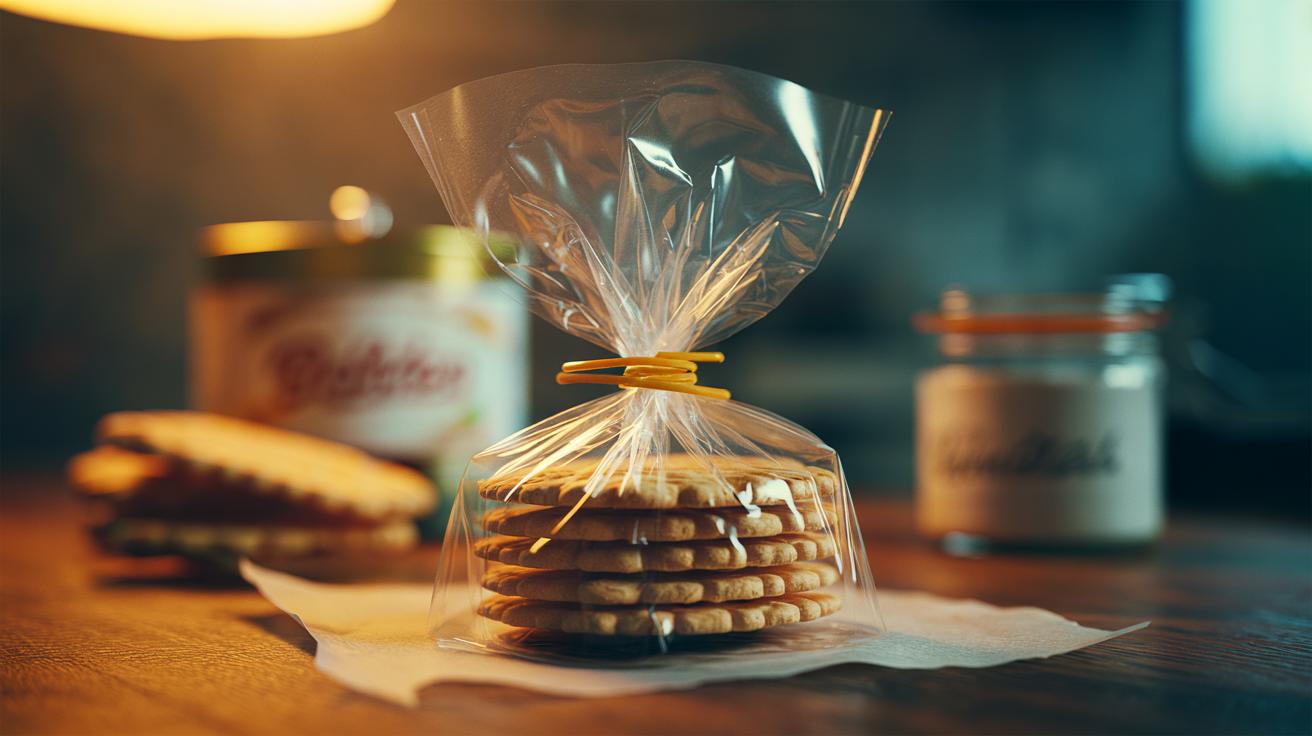
In a nutshell
- 🧪 The science: biscuits stale via moisture ingress and oxygen oxidation; a tensioned rubber band compresses folds to form a micro‑seal that slows diffusion.
- 🧰 Method: expel air, make two tight folds, add a horizontal band and a vertical cross‑brace, then store cool and away from heat or sunlight for a more air‑tight bundle.
- 🧵 Gear choices: pick band width by fragility (wide for shortbread, narrow for sleeves); choose silicone for durability or avoid latex if there’s an allergy; match bands to tins, jars, or original packets.
- 🧼 Upkeep and safety: wash and dry bands (hotter for silicone), avoid heat fatigue, add a pantry‑safe desiccant or dry rice nearby, and check tension weekly.
- 🍪 Payoff: preserve crispness and aroma for days, reduce waste, and get near gadget‑level freshness with a simple, low‑cost rubber band.
Britain loves a good biscuit. From custard creams to ginger snaps, that crisp snap is half the pleasure. Yet the enemy is everywhere: roaming humidity, creeping oxygen, and careless storage that saps crunch overnight. Here’s an elegantly simple fix hiding in your stationery drawer. A modest rubber band used with intention can create a surprisingly robust air‑tight seal, slowing staling for days without gadgets or gimmicks. It’s about tension, not tech. By learning where to place the band, how much pressure to apply, and which container suits your biscuits, you turn basic physics into everyday freshness. It’s thrifty, quick, and oddly satisfying.
The Simple Physics Behind the Seal
Biscuits go stale because water moves. Ambient moisture migrates into a dry crumb through tiny pathways, while oxygen accelerates fat oxidation that dulls flavour. A tensioned band isn’t magic; it’s a pressure tool. Wrap it around a folded packet and you clamp those pathways, reducing airflow and vapour exchange. The result is fewer leaks and a slower rate of moisture gain. Small tension, big freshness dividends. Even a thin band can compress a wrapper enough to create a micro‑seal that rivals basic clip systems.
Think of it like pinching a hose. The fold is your valve; the band is your hand. The narrower the remaining channel, the lower the diffusion. Because most packets are slightly elastic, the band maintains force as the pack relaxes. That steady squeeze limits the humidity gradient at the seal, which is where most leakage happens. Short of heat‑sealing, few hacks deliver as much benefit for so little effort or cost.
Step-by-Step: Banding Biscuits for Days of Freshness
First, start dry. If you’ve opened freshly baked or just‑bought biscuits, let any residual warmth dissipate; warmth equals condensation risk. Now flatten the air. Press the packet gently to expel as much as possible, because less trapped air means less oxygen and water vapour. Fold the opening once, then again—two tight creases, 1–2 cm each. Place a rubber band horizontally across the fold like a belt. Add a second band vertically, crossing the first, to prevent creeping. This cross‑brace is the stability secret.
Storing in a jar or tin? Slip the band around the container body or lid skirt, not over the domed top, to keep consistent compression. For fragile biscuits, avoid overtightening that can crush edges—use a wider band for gentler pressure. Quick checks help: a light squeeze test should feel firm with minimal air whoosh; a sniff should reveal biscuit aroma, not the cupboard. Keep the bundle in a cool, shaded place, far from kettles, dishwashers, or sunny sills where thermal swings can pull moisture in.
Choosing the Right Band and Container
Not all bands are equal. Wider bands spread force, ideal for delicate shortbread. Narrow bands deliver higher point pressure for crinkly plastic sleeves. Latex bands are ubiquitous but perish in heat and can bother allergy‑prone hands; silicone bands last longer, clean easily, and keep tension. Containers matter too. Original sleeves work well when tightly folded; roll‑top bags plus a band are robust; clip‑top jars with a band round the lid skirt become belt‑and‑braces; classic tins benefit from a band securing the lid against rattle. Match elasticity to edge geometry for best seal.
Use this cheat‑sheet to pick a sensible combo that won’t crush your biscuits or slacken overnight.
| Band Type | Ideal Use | Pros | Caveats |
|---|---|---|---|
| Wide latex (10–15 mm) | Delicate biscuits, tins | Gentle, even pressure | Ages faster; latex allergy risk |
| Narrow latex (3–5 mm) | Plastic sleeves, bag necks | High clamp force | Can cut into thin film |
| Silicone loop | Jars, recurring use | Durable, washable | Higher cost, slightly bulkier |
| Fabric hair tie | Large tins, gentle seal | Soft, non‑marring | Lower tension; not for tiny packs |
Testing, Safety, and Small Upgrades
Hygiene matters. Wash reusable bands periodically—warm soapy water for latex, hotter water for silicone. Dry thoroughly so you aren’t adding stealth moisture. If anyone in the household has latex sensitivity, switch to silicone or fabric ties. Avoid contact with hot ovenware; heat fatigues bands and can leave a smell. Keep tension firm, not brutal: if crackers break on the fold, you’ve gone too far. For tins with loose lids, a single band around the rim often removes the rattle that invites airflow.
Want extra insurance? Tuck a food‑safe desiccant sachet (silica gel clearly labelled for pantry use) or a teaspoon of dry rice in a ventilated packet near, not on, your biscuits to buffer humidity. Rotate stock: eat opened biscuits first, stash unopened in cooler cupboards. If your kitchen swings from steaming kettles to evening chills, store the banded bundle in a more stable spot. A quick weekly elastic check—does it look chalky or slack?—prevents sudden failures. The reward is tangible: biscuit snap on day three that feels like day one.
In a world of pricey storage gadgets, a humble rubber band quietly earns its place. It locks down edges, slows moisture exchange, and preserves aroma with almost comic simplicity. This tiny loop can keep biscuits crisp for days, stretching pennies and reducing waste. Try it tonight with that half‑eaten sleeve, then tweak band width, fold style, and container until you find your sweet spot. Which biscuit in your cupboard will you rescue first, and what clever twist will you add to make the seal even better?
Did you like it?4.5/5 (20)