In a nutshell
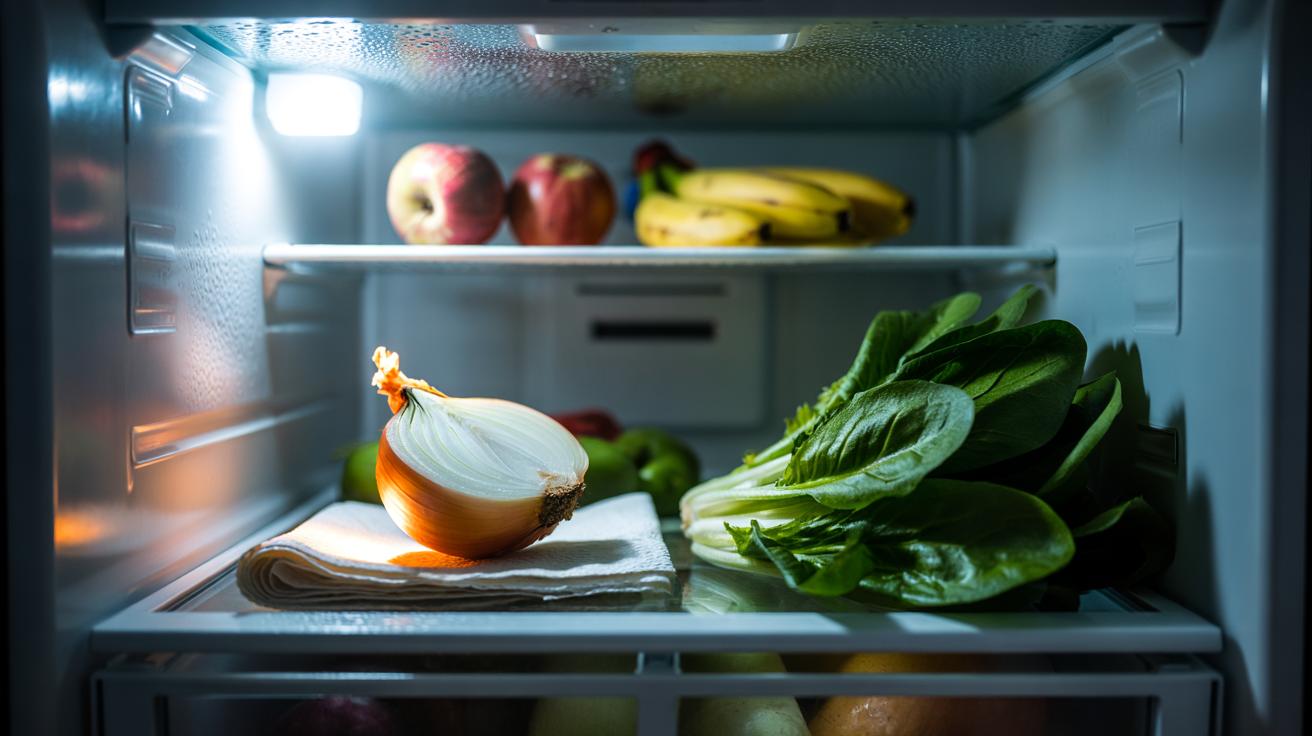
- 🧅 10-second onion method: cut a fresh wedge, place it on a paper towel beside greens (no contact) in a vented bin or crisper; replace every 3–4 days and keep the fridge at 1–4°C.
- 🍃 Control ethylene: separate high emitters (apples, bananas, tomatoes) from delicate leaves to slow wilting, yellowing, and off-flavours through separate storage.
- ⚗️ Why it works: onions (an Allium) release sulfur compounds that can inhibit microbes, while providing humidity buffering and reducing ethylene build-up around greens.
- 🧊 Practical setup: use a vented container, add a paper towel for moisture management, avoid odour transfer by keeping the wedge apart, pierce salad bags slightly, and clean the crisper with vinegar monthly.
- 📈 Payoff: expect longer shelf life, crisper salads, brighter herbs, and less food waste—a tiny habit with noticeable savings.
It sounds like kitchen folklore, but the idea of boosting the life of salad leaves with a simple onion is rooted in solid produce science. In a world where food prices climb and waste stings, a 10-second method that keeps greens crisp is worth learning. Slice, place, and store; the work is minimal, the impact tangible. While an onion does not work as an industrial scrubber, it can meaningfully lower your greens’ ethylene exposure and microbial pressure in the fridge. Set up is quick: a fresh onion wedge near your leaves, not touching, inside a breathable container or the crisper drawer. Small tweak. Big payoff. Your salads taste fresher, and your bin stays emptier.
What Ethylene Does to Your Greens
Ethylene is a plant hormone. It’s a gas. Invisible, potent, omnipresent around ripening fruit. Apples, bananas, and tomatoes are major emitters, hastening softening, yellowing, and decay in nearby produce. For tender leaves such as spinach, rocket, and lettuce, ethylene is the fast lane to limp textures and bitter notes. A single banana in a packed drawer can change the week’s salads. Keep leaves away from high emitters and you dramatically slow the decline. That’s the first principle.
Most fridges mix items in one humid space, so exposure becomes inevitable. The trick is reducing concentration at leaf level. Onions help indirectly. They produce relatively little ethylene compared to climacteric fruit, yet release sulfur-rich volatiles that can suppress some spoilage microbes on nearby surfaces. They also act as a humidity buffer, absorbing stray moisture that fosters mush and mold. Think of an onion wedge as a sacrificial guard: it soaks up smells, moderates microclimates, and nudges you to segregate the worst ethylene sources. Lower exposure, slower senescence, better crunch. It isn’t magic. It’s simple produce traffic control.
The 10-Second Onion Method, Step by Step
Peel, quarter, and deploy. That’s the routine. Take a fresh onion, cut off a clean wedge, and set it on a folded paper towel inside your crisper or in a vented box alongside your greens. Do not let it touch the leaves; contact can transfer aroma. Replace the wedge every three to four days, or sooner if it dries out. Keep apples, bananas, kiwifruit, and tomatoes on a separate shelf or in a closed bag. The result is a micro-zone with fewer ethylene spikes and reduced surface contamination risk.
Concerned about odour? Use a lidded produce bin with small vents and place the onion on its own corner towel. Odour transfer is minimal when separated and ventilated. For bagged salad, slip the wedge into the drawer, not into the bag. Quick checks help: if condensation beads inside the container, unfurl the towel and crack the vent. Moisture management is key. Cold matters too—aim for 1–4°C. This tiny routine takes under a minute weekly and often adds days of life to herbs and leaves. Small cost. Noticeable extension. Less waste.
Why an Onion Helps: Chemistry, Not Magic
Onion belongs to the Allium family. When cut, it releases thiosulfinates and related sulfur compounds—molecules known to inhibit certain bacteria and fungi at low concentrations. That doesn’t sterilise your drawer, but it can tip the balance away from quick rot. The flesh also buffers humidity swings and absorbs odours. As for ethylene, the onion isn’t a chemical scrubber like potassium permanganate or specialty zeolites, yet the setup reduces net exposure by physically segregating top emitters and limiting gas build-up in the greens’ immediate space. Think of it as a tactical reduction rather than total elimination.
If you handle lots of produce, consider pairing the onion method with true ethylene absorbents. The table below offers a quick comparison to keep your expectations realistic and your drawer optimised.
| Tool | Main Mechanism | Best For | Notes |
|---|---|---|---|
| Onion wedge | Volatile antimicrobials, humidity buffering, indirect ethylene exposure reduction | Leafy greens, herbs | Replace every 3–4 days; keep separate from leaves |
| Permanganate sachet | Chemically oxidises ethylene | Mixed produce drawers | Do not open; follow safety directions |
| Zeolite/activated carbon pod | Adsorbs gases and odours | Everyday fridge use | Regenerate/replace as advised |
| Paper towel | Moisture control | Bagged salad, rocket | Replace when damp |
Practical Storage Pairings and Pitfalls
Start with segregation. Store high ethylene emitters away from ethylene-sensitive greens. Use a drawer or bin for leaves and park the onion wedge inside that zone. If space is tight, put apples and bananas on the door or a top shelf, in closed bags, vented minimally. Keep herbs like coriander and parsley in a jar with a splash of water, loosely covered; the onion sits nearby, not inside the jar. Avoid direct onion-to-leaf contact to prevent flavour taint.
Clean the crisper monthly. A wipe of mild vinegar solution reduces background microbes that sabotage freshness. Watch for warning signs: slimy stems, dark specks, persistent condensation. Swap the wedge. Rotate stock. For pre-washed mixes, prick two tiny holes in the bag to prevent condensation. Temperature drift ruins everything, so verify your fridge actually holds 1–4°C; many run warmer. Finally, build a simple map in your head: top shelf for fruit, lower drawer for greens, onion sentinel in the greens zone. It’s a newsroom-style plan—clear, repeatable, fast.
In the end, the onion trick isn’t a cure-all, but it is an easy, repeatable habit that measurably improves the shelf life of fragile leaves by reducing ethylene exposure, moderating moisture, and nudging better segregation. It keeps your salads snappier, your herbs brighter, and your shopping bills lower. Ten seconds today can buy you two extra days of crunch. Ready to test it this week—wedge, towel, separate shelves—and see how much longer your greens stay market-fresh in your own fridge?
Did you like it?4.4/5 (20)